
Roasted Beet Salad & Summer Squash Ribbon Salad

Beets and Squash are in abundance right now so take advantage of their healthy whole food goodness and feel good about fueling your body well. Two delicious, simple and fast recipes are featured here so get out to your local farm stand or market and grab the few ingredients needed for a great meal!

Roasted Beet Salad beet salad

6 beets – your choice of one type or a mixture of golden beets and red beets
Scallion slivers or just chopped
Olive oil
Balsamic vinegar
Salt and pepper
Goat Cheese or Bleu Cheese
Wash beets and wrap them separately in foil – roast in oven at 425� for 1 hour. Remove from oven and slip out of skins with oven gloves or pot-holders.
Cut each beet into quarters and divide among 4 small plates. (I divided among 2 of us in photo)
Drizzle with olive oil, balsamic, sprinkle with salt and pepper, scallions and crumbled cheese. Serve warm.

Squash Ribbon Salad squash ribbon salad

1 Each zucchini and yellow summer squash
1-2 Tbs. sun-dried tomatoes in olive oil
Large sprig each Basil and Mint chopped
Walnuts (optional)
Olive oil – enough to coat squash ribbons well
1-2 Tbs. Lemon Juice
Salt and pepper to taste

With a vegetable peeler over a large bowl, peel all squash into long ribbons
Add remaining ingredients and toss well. Let sit at least 20 minutes to blend flavors. Serve.

Habitual Eating

What is habitual eating?
We each have hundreds of habits that we do daily; they’re not all bad. Many of our habits help us get through our day; they’re the things we do regularly that we don’t have to think much about. Some habits we have aren’t good for us though and while we often realize this, we find it difficult to break them.

Why do we keep doing things we don’t particularly want to keep doing?
Well, when it comes to eating too much or eating when we’re not hungry, it most often is because food is available everywhere. No matter where you live you can always find food stands around every corner. You can buy food that isn’t in season because it is shipped nationally and internationally. We find ourselves indulging because it’s there. We see it and want it. How many times have you made a grocery list that you vowed to stick to only to find that you strayed outside the list and bought compulsively? The snack for later, the candy bar for the ride home, the bad of chips… which in the end leaves you feeling defeated by non other than yourself.

We eat when we’re with family or friends, we have another drink, another bite, half a scoop, a tiny slice for the fourth time this sitting. We don’t really taste or register what or when we are eating. We eat that snack while watching our TV shows – every night! We want to stop the madness, we need to stop it!

But why stop?
First and foremost, our body needs a break. It needs to have time for fasting every day, even a few times a day. A small hunger pang before each meal is a healthy thing. I’m not suggesting that you become famished, but allow yourself to be hungry, truly hungry. Secondly, weight. It’s important to maintain a healthy weight, for your organs, blood, energy level and even your emotional well-being.

How can you stop?
Now that you know why you should stop habitual eating the next step is how. How can you stop habitual eating when it feels comfortable & familiar like a best friend or an old pair of jeans that are worn in, soft and snug in the right places? Stopping bad habits is never an easy task but it is always worth it. When you stop things that aren’t good for you, you open up a whole other world of possibilities. Change takes time and practice so be patient and forgiving with yourself.

Begin breaking your bad habits by first listing a few of the major habits you’d like to break and next to them, the reasons you want to break them and then the benefits you will gain by breaking each habit.
Next, find a phrase that will help you feel aware of your actions each time you are tempted to eat out of habit; use a phrase that is supportive/positive. And thirdly, take small steps. Small steps help you feel less deprived while staying connected with your personal goals and intentions. For instance, if you’re meeting friends at an eatery, set your intentions beforehand to order a salad or something from the healthy options section, stick with that plan no matter what. I know it’s tempting to order something deep fried, cheesy, gooey, rich and dripping with sauce once you are with friends but use your self-control; we all have it, we just don’t always use it. At home take smaller portions, leave pictures or messages in sight as reminders to eat mindfully and not habitually. Easier said than done, but eliminate junk and unhealthy snacks from your home, replace them with healthy options like nuts, fruit, plain yogurt that you can sweeten with cinnamon, honey, nuts, fruit, berries, seeds. Think before actions take over. Realize what you’re doing; be aware of why you’re doing it, why you should stop and what to do instead of eating it.

List habits you want to stop. Set and stick with your intentions. Take smaller portions. Get rid of the triggers that lead you to eat habitually. Be mindful every time you eat. Get help to guide you through the steps with ease. Do it for your mind, body and spirit.

In love & light!

What HOME Means to Me

Home can mean different things to each of us depending on our circumstances, our childhood and where our heart feels at ease. For me home is felt in two places and appreciated equally.

While I don’t own a beach cottage, yet, my heart and soul feels most at home when I am close to the ocean. I love the salty air, the seagull’s cry, the splash and crash of the waves, the feel of sand under my feet both summer and winter.

Home in everyday ‘real life’ isn’t by the ocean, yet ;) but it IS my sanctuary. I have recently learned just how much my home means to me. 

Home is my place to enjoy the company of friends and relatives no matter how small or silly the celebration of getting together may be. Home is also my space. It’s a place to unwind and take comfort in the material things we all own in life which make us who we are as unique individuals. Home is my place to create, work, play, sing, exhale, BE. Home is my expression of individuality, Home is where he and I return to at the end of each work day to be together. Home is peace, comfort, safe and kindness. 

What is your home to you? What do you do to make it your sacred space? 

Breathe, exhale, be. 

Dawn

Living in the Sludge Fog

sluggishSludge: thick, soft, wet, semi-solid, mud, dirty oil, muck are among the descriptive words for sludge. I hear and see people who feel like they have no energy, slow energy, tire easily, and have no “will-power” to do much of anything especially cooking meals and getting a little exercise into each day. Does this sound like you?
Try something new. Try to clean out the sludge that the foods you’re eating may be causing inside your veins, intestines and organs and even your brain causing foggy thinking. Cleaning out the sludge is pretty simple if you’re dedicated to doing it and staying “sludge-free” is important to keeping up your energy and best health.

What types of foods cause this sluggish feeling? You’ve probably heard it many times but processed foods that are filled with chemical preservatives, high sodium, high fats are all a large part of it. Fast foods that you can get at a drive through and from most chain restaurants are also a big part of that unhealthy, bloated, sluggish feeling inside. Chain restaurant commercials sell themselves by showing greens and reds alongside or in their foods and groups of friends laughing…etc. it all looks healthy, care-free and happy, just like life should be. In reality, when you go to those places for a meal it most often is not what you expected. The food doesn’t look quite as appetizing and it’s often swimming in heavy oils, thick ‘fake’ cream sauces and the so-called healthy chicken is pressed into breast-shapes but laden with salt with the texture of chewing a sponge. These things are not healthy meals!

Here’s how to clean out the “sludge”. There are two ways, 1 – quit cold turkey and a detox, 2 – small, steady steps & making changes each day and each week. If you want to go the “cold turkey route, it’s not impossible, it requires more detail so contact me, I’m here to help you. If you choose the small, steady step route, here are a few tips.

  • Eat out less days per week so you have control of what you’re putting into your body; this includes lunch-time at work, bring your lunch.
  • Eat smaller portions of meat and be sure to eat lean meats only.
  • Eat more beans, there are so many different varieties and they are all easy to toss into practically any dish. If you use canned beans, be sure to rinse them well to remove excess sodium before using.
  • Add extra vegetables to every meal. Add a handful of greens such as leafy lettuces, spinach, kale, arugula and broccoli, these items are quick to grab and toss into a salad, onto a sandwich or in any dish you’re preparing.
  • Snack on walnuts, almonds, pecans, pistachios, sunflower & pumpkin seeds, fruit, plain yogurt with flax, nuts or seeds and fresh fruit added yourself.
  • Eat less breads and bready type foods such as muffins, pastry, cake, cookies; eat less white pasta, rice and potato chips and fries.
  • Don’t overeat. Stop when you are full and satisfied. Save whatever you don’t finish for another meal or for a snack – after-all, it’s healthy food now.
  • Drink more water. Water flushes toxins out of your system, it helps remove excess salt from your system and it keeps your body lubricated and running smoothly.

Cooking at home doesn’t have to be a chore. When you plan your week of meals ahead of time, preparing them is easier. Choose one or two days during the week or on the weekend to eat out, to give the cook a break, but when you do, choose to eat at the local family owned restaurant over the chain restaurants.

Think of food simply as fuel for your body to run optimally. What you put into your tank is what you will get out of it. Lighter, airy, more colorful foods will lead to a lighter more airy sense of being; it will put a skip in your step and brightness on your face.

As always, if you’re unsure of how to make changes or of you simply want guidance and accountability, you can work with me in one of my programs that will get you to exactly where you want to be.

Food is My Bodyguard

I’m not famous, I’m not rich, but I do use a bodyguard. Food is my bodyguard.

Without whole foods the human body begins to weaken a little bit at a time. When you choose to eat foods that are processed, chemically enhanced, deep-fried, microwaved, over-cooked, preservative-laden, overly salted, and contain unhealthy oils your body reacts negatively to it. Your body was built to work with whole foods to maintain optimal health. When companies who process and package foods that once were whole began popping up in the late 1940’s early 1950’s, human health began to decline. Among many food related diseases are type 2 diabetes, heart disease, kidney and liver disease, digestive diseases and even brain function.

What can you do to bring back your best health?

Get back to basics. Begin eating more whole foods, especially foods that are in season and local since they are picked at their ripest and hold their full nutrient load. Cook at home more so you have control over artificial ingredients, oils and salt. Choose better restaurants when you eat out; chains tend to have high fat and high sodium content as well as ‘fake foods’. Shop at your local farm stand and farmers’ markets and buy lots of colorful vegetables and fruit. Eat raw or lightly steamed so nutrients are retained. Find out what foods are best for your body and your lifestyle. Raise your activity level at least 3 days a week for 30 minutes each.

Getting on track

We all form habits, some are good and some are not-so-good. Beginning a healthy lifestyle might sound overwhelming and confusing especially when you start to research different ways through the internet. Getting healthy doesn’t have to be a chore or a complete life-changer. By learning what is best for you personally and learning how to incorporate better choices one step at a time, you will find that good habits are easy to adopt. When you begin making changes for the better your body will react immediately and you’ll be amazed at how great you can feel.

As a personal health coach, I will help you make the transitions wisely, easily and without extra work and overwhelm. Consider your health a top priority. Protect your body with proper nutrition so that you can live a longer, healthy and happy life.


Feed Your Cells

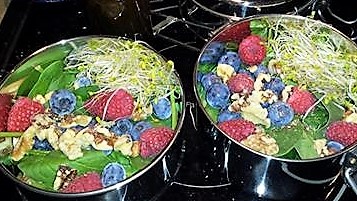
Spring Cleanse SaladMy most common sayings when it comes to food and one’s diet is “feed your cells and fuel your body”.
Have you ever thought that when you eat you’re not only feeding your belly, you’re fueling your body and feeding every cell that works continuously to make you healthy?

What you feed your cells affects your body’s ability to fight disease, allergies, viruses, and to bounce back from an illness. When your body isn’t at ease it’s at dis-ease, and we all have experienced that feeling from one time or another in various degrees depending on whether we suffered an allergy attack or something of a more serious illness.

What’s the best way to feed your cells? Clean up your diet and your environment. There are countless chemicals in food and countless chemicals in products we use and in the air we breathe. While it’s nearly impossible to completely eliminate our exposure to chemical toxins, we can greatly reduce our exposure through better food choices, more environmentally friendly cleaning products and keeping your home clean.

What’s a clean diet? Vegetables, especially leafy greens, are cell cleansing and feeding. They will fuel your brain and body along with strengthening your cells. Beans, nuts, fresh wild-caught fish, seeds fresh fruit and berries are great choices too. Limit dairy and meat. Limit or omit refined flours and greasy junk foods and sweet snacks.

The following are some benefits of feeding your cells.

  • Stronger immune system leading to possible quicker bounce-back from illness.
  • Healthy weight
  • More energy
    Less Fatigue
  • Less body aches & pain
  • Healthy blood sugar levels, blood oxygen levels and blood pressure
    Healthy heart
  • Better ability to handle emotional stress

…and a host of many other benefits.

Give it a try! Feed your cells and compare how you feel before and after. Try it for a t least a full week if not longer so your body will have a chance to clean out the gunk and to feel the benefits of cell cleansing, energizing, fueling foods.

Happy, healthy eating!


Wicked Wheat

Wheat is a type of grass grown for its grain known as wheat berries. Wheat berries are removed from the wheat and ground into flour. The remaining stalk is used for animal feed & bedding, construction and mulch. Today’s wheat is far different from wheat grown by our ancestors not so long ago. Most of today’s wheat has been genetically altered in order to meet consumer demands.

Wheat is found in a multitude of foods today. You can find it in the snacks you eat, prepared foods, in a variety of sauces, dressings, spices, and it’s even found in some meal replacement drinks. We’ve been taught to believe that wheat is good for us when in fact, today’s wheat and amount of wheat each of us eat can cause more harm than good.

Some documented effects that today’s wheat has had on humans include increased appetite, massive blood sugar surges that in turn triggers a bigger appetite and causes glycation ( a natural process in which the sugar in your bloodstream attaches to proteins) which increases aging, inflammation, cartilage and bone damage, and interferes or weakens the immune system. Other serious diseases caused by eating wheat are celiac disease, neurological disorders, diabetes, heart disease, arthritis, headaches, rashes and mental/emotional disorders, ADHD, depression, and weight gain

Some common symptoms of wheat allergy are:

  • General- tiredness & fatigue, often not feeling well and cravings
  • Immune Conditions- mouth sores, common cold and flu often
  • Gastrointestinal Conditions- constipation, gas, diarrhea, bloating, abdominal pain/discomfort
  • Neurological Conditions- poor memory, depression, behavioral & poor attitude, negativity
  • Inflammatory Conditions- allergies, arthritis, stiffness in muscles and joints.

What are some advantages of being wheat free?

  • – Consumption of less processed foods and more whole fruits, vegetables, nuts, seeds, beans, other whole   grains, lean meat and more vitamins & minerals.
  • – Faster healing, more balanced digestion, less bloating
  • – Diminished and/or elimination of cravings for bread, chips, pasta, sweets
  • – Sinus & allergy health, less asthma attacks
  • – Lower risk or reversal of celiac disease, Type 2 and pre-diabetes
  • – Weight loss

What you can do to decrease and even eliminate wheat from your diet begins with reading labels. Read all labels of anything bottled, packaged or frozen; you’ll be surprised at how many items you eat contain a form of wheat. You’ll find it in dressings, seasonings such as soy sauce and steak sauces; you’ll even find it in flavored chips. More recently labeling from many companies states if their product is *Wheat Free.

Another step you can take is to rid your kitchen of wheat foods-find healthy, wheat free alternatives. If you search you grocery store, you’ll most likely find them. A health coach can help you make your transition to a wheat free diet in an easy-to-follow, inexpensive way. In just a few sessions you can learn what foods are good alternatives, how to make healthier choices and soon you’ll be feeling lighter, happier and more clear-minded.

You can contact me for any areas of your health you would like to improve; just write me at Dawn@InitiateWellness.com

Stave off Your Cravings


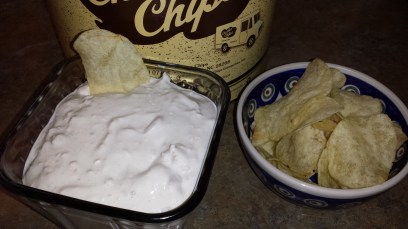
7NEClam Dip

Nearly every one of us has the desire for good health, more energy, physical attractiveness and fulfilled happiness. With the level of stress that current times bring and the ability to find food around every corner, the bakeries and frozen meals in the grocery store, it’s easy to fall into the convenience of fast foods, a quick muffin, ice cream year-round, a fat-laden coffee drink for a quick pick-me-up. Soon this becomes an endless cycle of sorts – self-abuse to your body.

We crave the things we eat most. We crave the things we do most. Think about it for a minute; if we’re used to shopping, we want to shop, if we hike a lot, we crave the outdoors, if we spend time with our friends; we miss them when there’s a longer span of time between visits. In the same way, when we eat sweets, we want more sweets, when we eat vegetables, we want more vegetables, if we eat pasta, we sometimes cannot get enough.

Exercise has a lot to do with what you crave. If you’re sedentary pretty much every day, you’ll probably crave carbohydrates and fats; where can you get both? In chips, pastries, cookies, cheese & crackers, creamy sauced pasta…etc. When you exercise you’re more likely to crave healthy complex carbohydrates such as fruits and vegetables and lean proteins such as lean meat, fish and beans. Why? There can be two reasons; when you exercise you are more aware of your health and have a desire to be healthy, and because exercise releases happy endorphins leaving you feeling satisfied and by choosing complex carbs you get a satisfying boost of energy the body needs.

How much exercise do you need? If you’re pretty sedentary right now, you should at least start walking four times a week for 20-30 minutes each time. If you’re active but don’t necessarily exercise, walking will be enough to begin with. As you become a more active and regular exerciser, you can increase your routine and change it up if you desire. If you choose to only walk, that’s ok; every step matters and increasing distance over time will be useful. On fair weather days, don’t quit, walk indoors or put on some upbeat music and dance for 20 minutes-dance like no one is watching!


Eat Foods that Boost Your Mood

2015-03-20 16.28.32It’s so much easier to stray from your diet than to stay with your diet. While I hesitate and strongly dislike using the word diet, the way we eat no matter how healthy or how poorly is truly our diet.

The individual nutrients in the food you eat have a direct impact on your moods. When you eat fresh whole foods in a balanced way you have a better chance of keeping your mood in balance. Fast foods, frozen processed foods and simple carbohydrate foods lack necessary nutrients which can lead to mood swings. Eating healthy whole foods isn’t only for weight control, healthy eating impacts and improves the entire body.

Mood boosting foods to increase include:

  1. Get enough of the vitamin B12 through good quality, preferably organic beef, fish, poultry, beans and low-fat dairy
  2. Phytonutrients from fresh fruits and vegetables. Farmers markets and farm stands are in season, take advantage while you can
  3. Selenium – it acts as an antioxidant, keeping your blood clean from oxidative stress which gets into your cells on a daily basis; by keeping your cells as clean and clear as possible you can help protect yourself from many diseases as well as keeping your mood in balance. Lack of selenium can lead to anxiety, irritability, hostility and depression. An increase in selenium will normalize your mood, not elevate it. Some high selenium foods include lean pork, beef, poultry, tuna, oysters, crab, sardine, other fish, beans and legumes, nuts, seeds, & low-fat dairy.
  4. Omega-3 fatty acids; eat fish 2 times weekly and take a fish oil supplement. For information on the right fish oil to take read my article Fish Oil, Liquid Gold?
  5. 1000-2000 I.U. Vitamin D daily from sun, supplements and salmon, tuna, mackerel, low-fat cheese, egg yolks, fortified milk & orange juice
  6. 1 ounce dark chocolate daily – 60% cacao or higher

Foods to decrease:

  1. Fatty foods and saturated fats
  2. Processed foods- have high chemical content which interferes with proper nutrient absorption
  3. Alcohol-this ‘feel good’ drink is actually a depressant
  4. Caffeine-this gives you an energy burst that spirals into fatigue leading to mood swings

Next time you feel yourself in an ‘off’ mood that you cannot quite explain, take a moment to look at what you’ve been eating. If you’ve strayed from healthy whole foods; fruits, vegetables, nuts, seeds and whole grains, your moods can be in a swing.

You can find a few helpful tips on food-mood here: http://capone.mtsu.edu/studskl/food.html


Willpower-Self-Control-Self-Discipline

IMG_3034

At least once daily I hear someone say that they don’t have willpower; it is usually referenced to their eating habits and lack of ability to lose weight.

What is will power? Is it an emotional thing? Is it a behavioral thing? Is it somehow related to our self-confidence, self-worth, or self-esteem? Do we say that we don’t have self-control so that others won’t think we failed or so that we personally won’t feel like failures? What is it?

Only you know how you feel about willpower, self-control and self-discipline. Only you will know why it has a strong hold on you. It might take deep self-evaluation but you can begin to understand the hold it has on you personally. Understanding might help you move to the next level, the level above lack of willpower.

In order to begin figuring out your personal relationship with willpower it’s necessary to understand what willpower means, so here goes. Willpower as defined in the dictionary means; (1) the strength of will to carry out one’s decisions, wishes or plans, (2) the ability to control oneself and to determine one’s actions, (3) firmness of will; control of one’s impulses and actions; determination; self-control.

So then, what is self-control? (1) Control of one’s emotions, desires, or actions by one’s own will (2) the ability to exercise restraint or control over one’s feelings, emotions, reactions or actions, etc.

And self-discipline: (1) training and control of oneself and one’s conduct, usually for personal improvement.

How can we put all those definitions to use? There are a few key words in each definition that will be helpful. Strength, ability, firmness, determination, control, own will, exercise, and training. These words are the actions, the reminders of what we will use and build up in order to improve our willpower.

Our minds have incredible strength, so much strength that it allows us to give up with what we think is a logical excuse. We end it there; we forget about our true abilities, firmness, determination, and own will. It is our own will to stop at one plate of food with reasonable portions or to get that second plate because you may have trained yourself to think you are weak. But you’re wrong, you’re not weak, you are worth it, you are deserving of all the good things life offers you

So, what now?

It’s time to get some willpower exercise and training-key words again. The way we can get willpower exercise is by working on it one day at a time; one hour at a time-do whatever it takes. Six points you can work on are

-Preparation – bring a lunch or a snack with you when you’re going to be out for an extended period of time so that you can avoid the drive through or the convenience stores. OJ, carry a small carton of orange juice with you and drink it when you’re feeling that stress time coming on, that’s the time when you are most likely to binge on anything and everything. Our brains run on glucose and when glucose is low our willpower is low; orange juice helps to feed the brain.

-Mood lifting – when we are stressed out from the day our willpower is at its lowest, choose to do something every day preferably after your stressful day, that makes you happy, a walk, the gym, playing with your pet, your kids, meditation, reminding yourself that the work day is over and the rest is yours, watch a local baseball/softball team, whatever it is that lifts your spirits…don’t include alcohol since that alters your mood.

-Set goals/intentions at the beginning of each day, set realistic ones and use post-it notes for reminders but get creative with them with different words-even words that only you know what they’re for

-Eliminate unhealthy foods from your kitchen, out of sight, out of mind, it works! Stock healthy choices.

-Imagine your future self; describe him/her on post-it notes as well

-Cheat. Yes! It’s okay to indulge at least once a week. By indulge I mean in a controlled manner. Have a treat, don’t deprive yourself, use that ‘cheat’ as a reminder of the reward you can have at the end of your week of successful self-discipline.

Bonus tip: Support yourself as you would support others. Listen to how you react to friends who tell you that they didn’t follow through on ‘xyz’, or how they did ABC and give yourself the same love and encouragement you typically lend to others because you deserve the best!